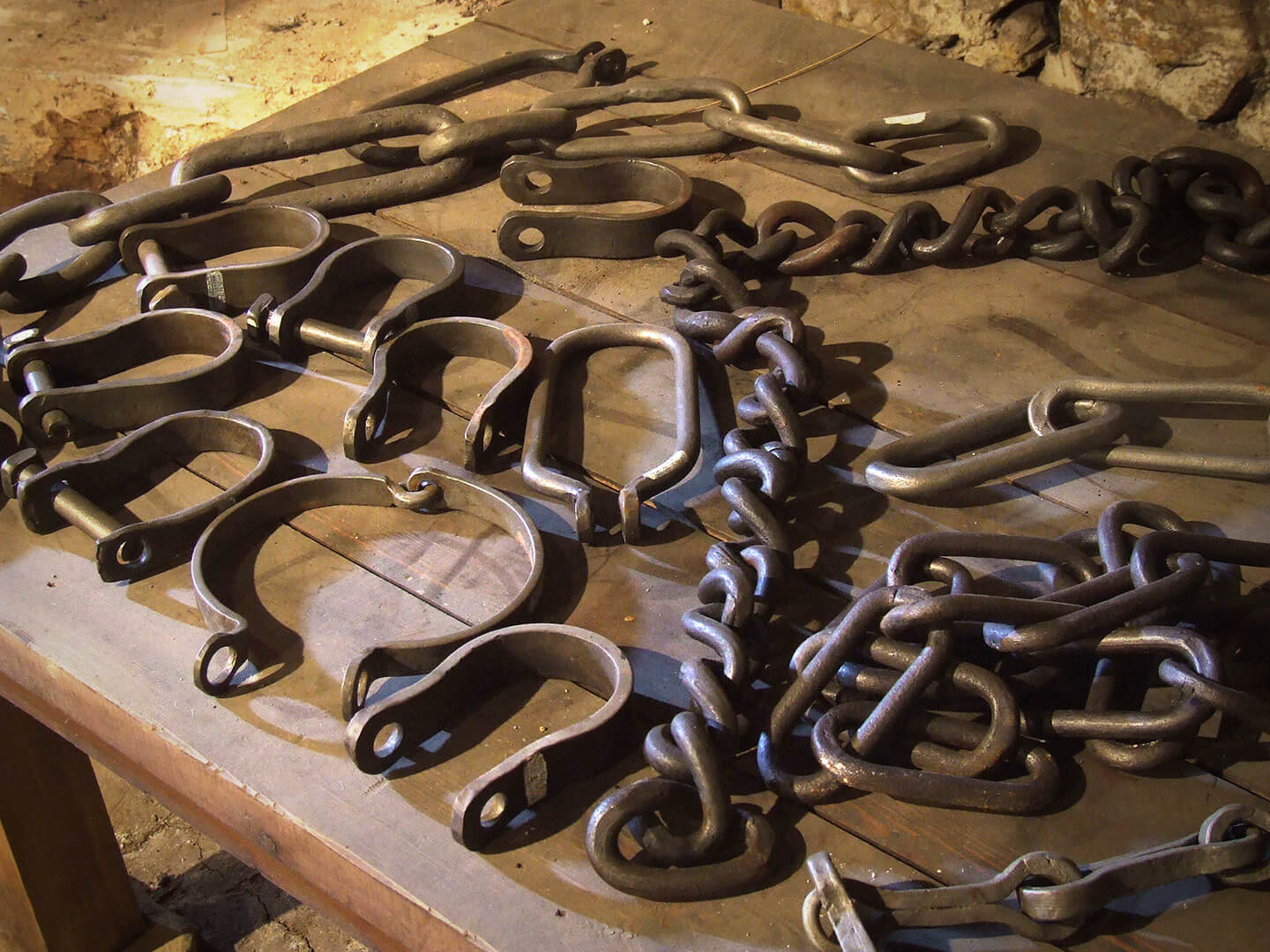
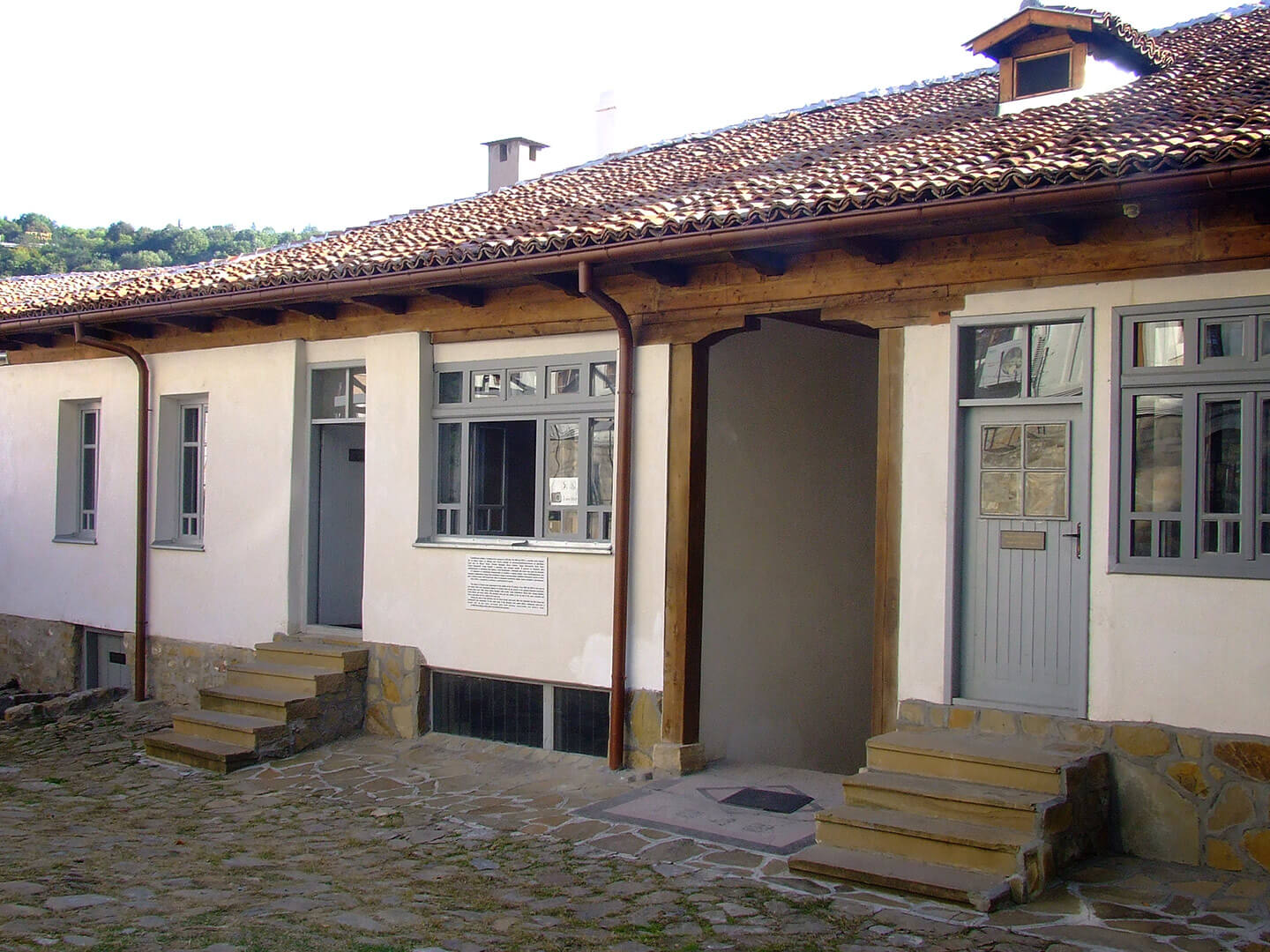
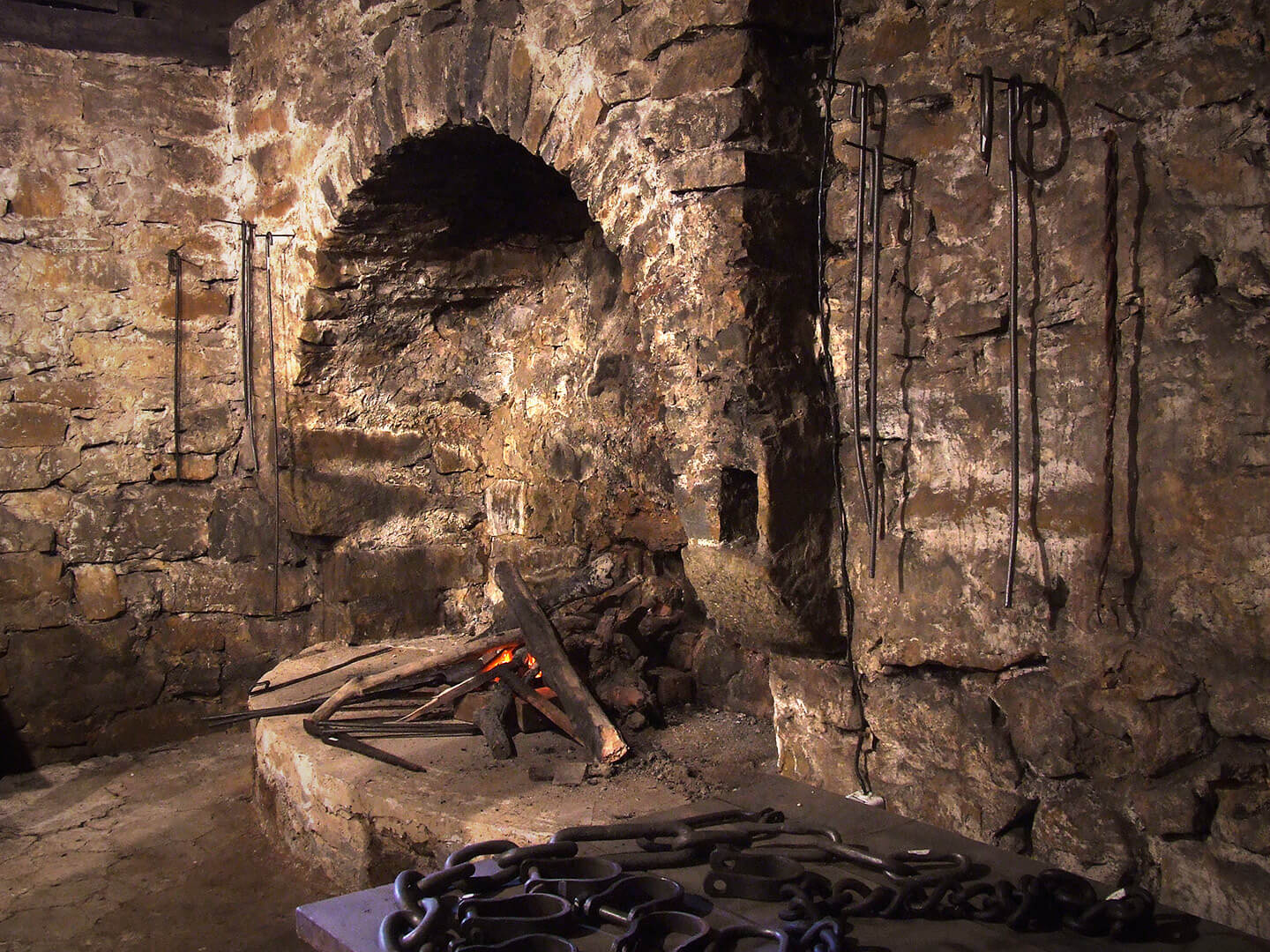
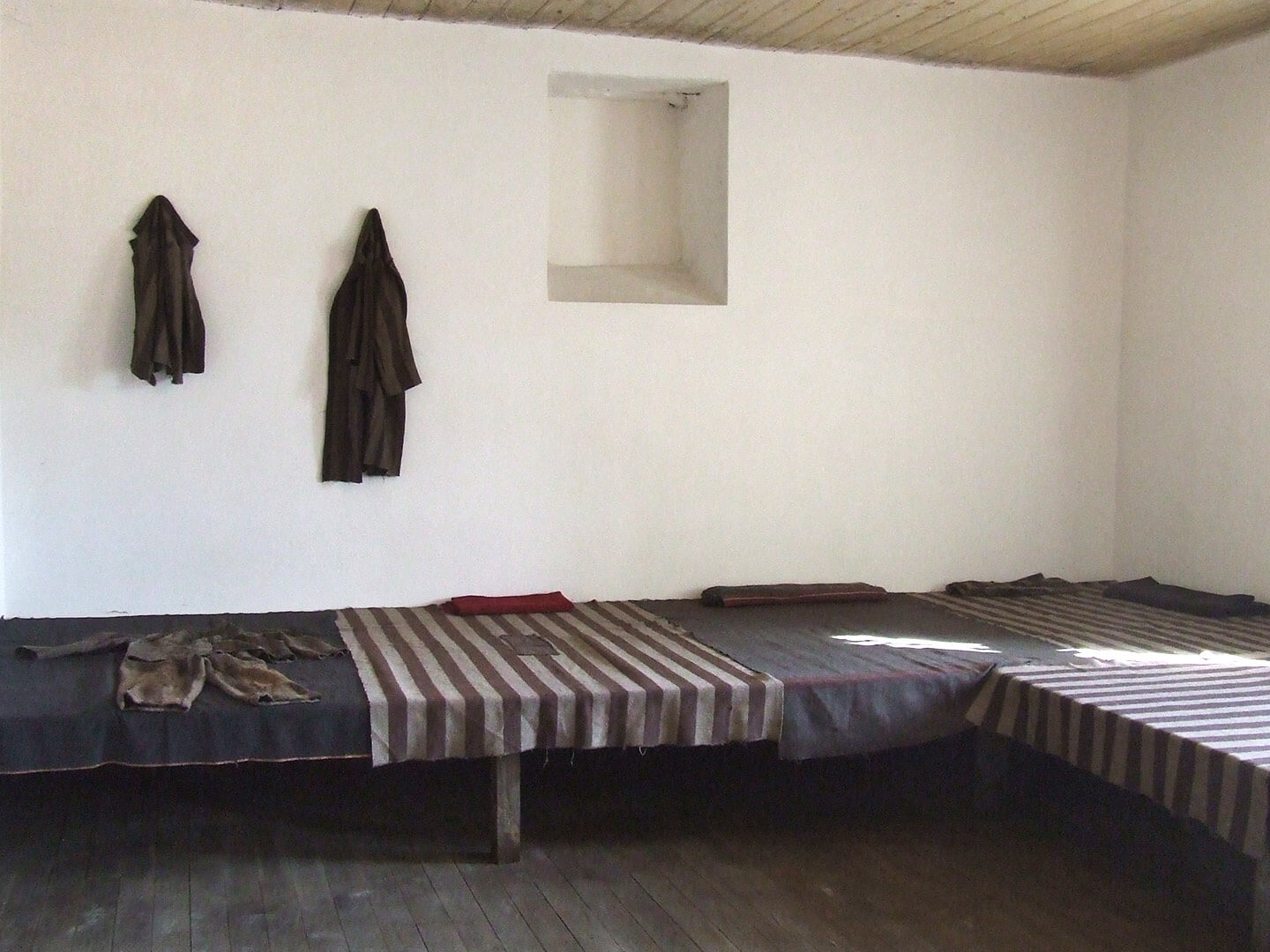
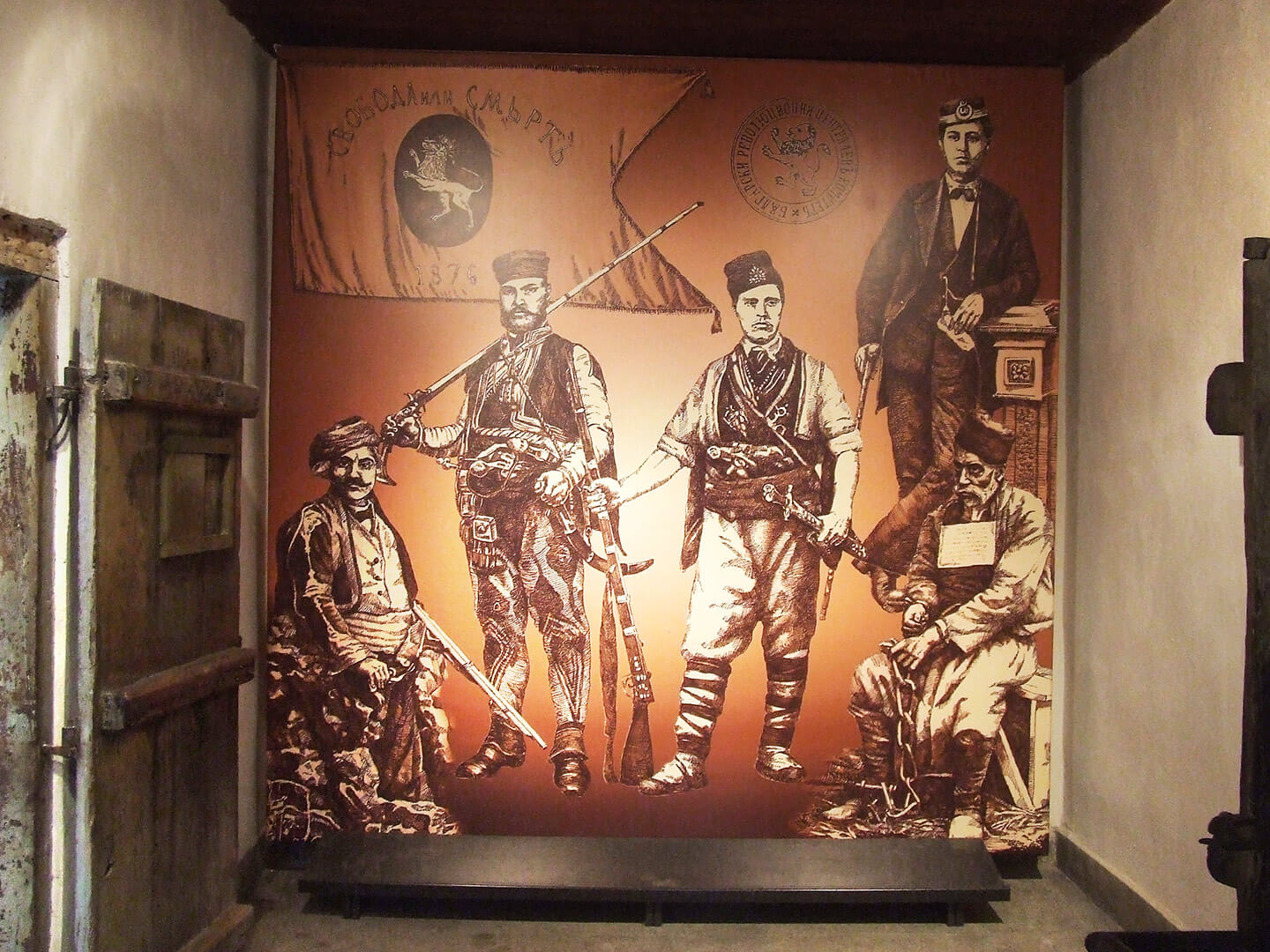
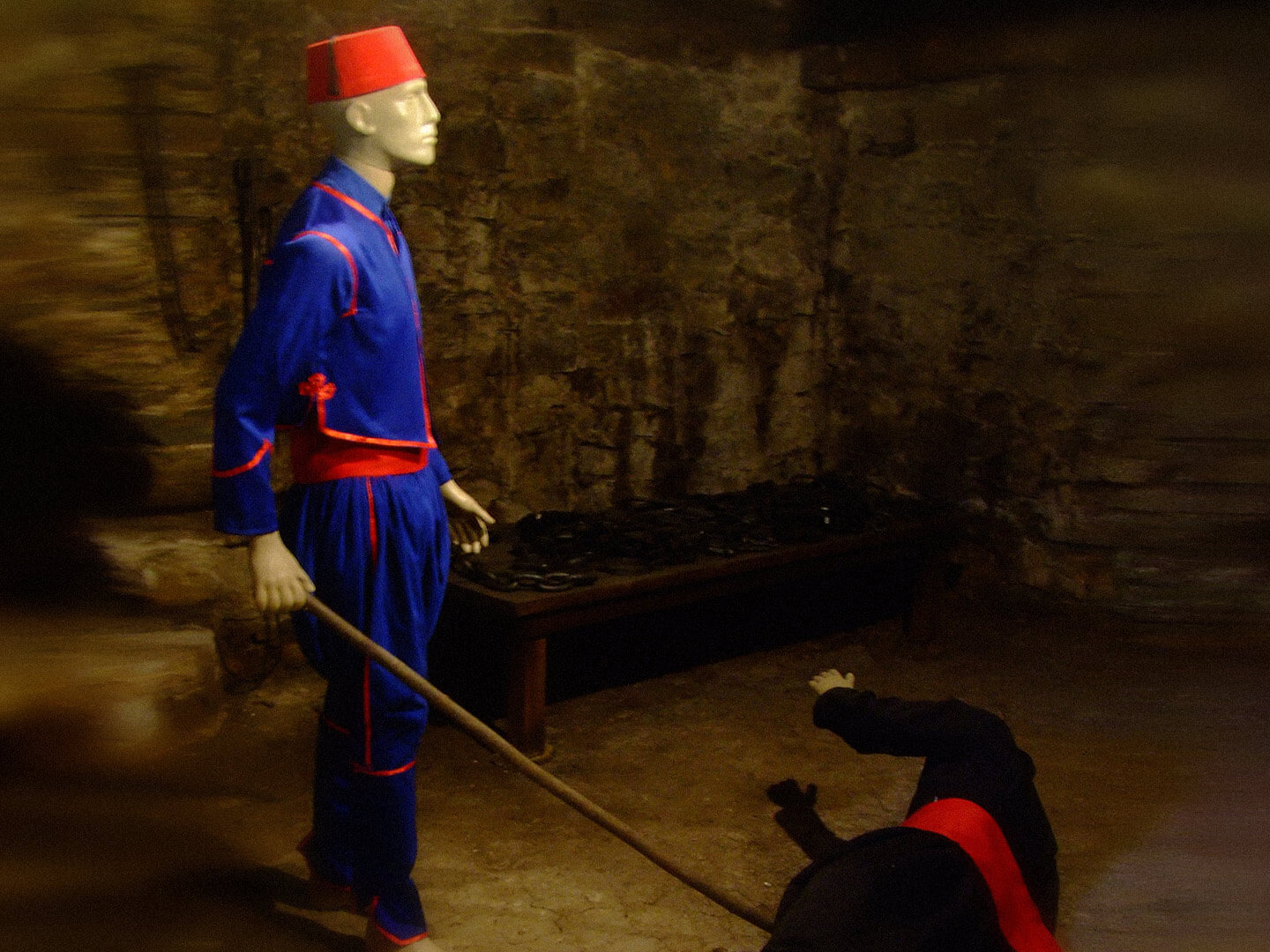
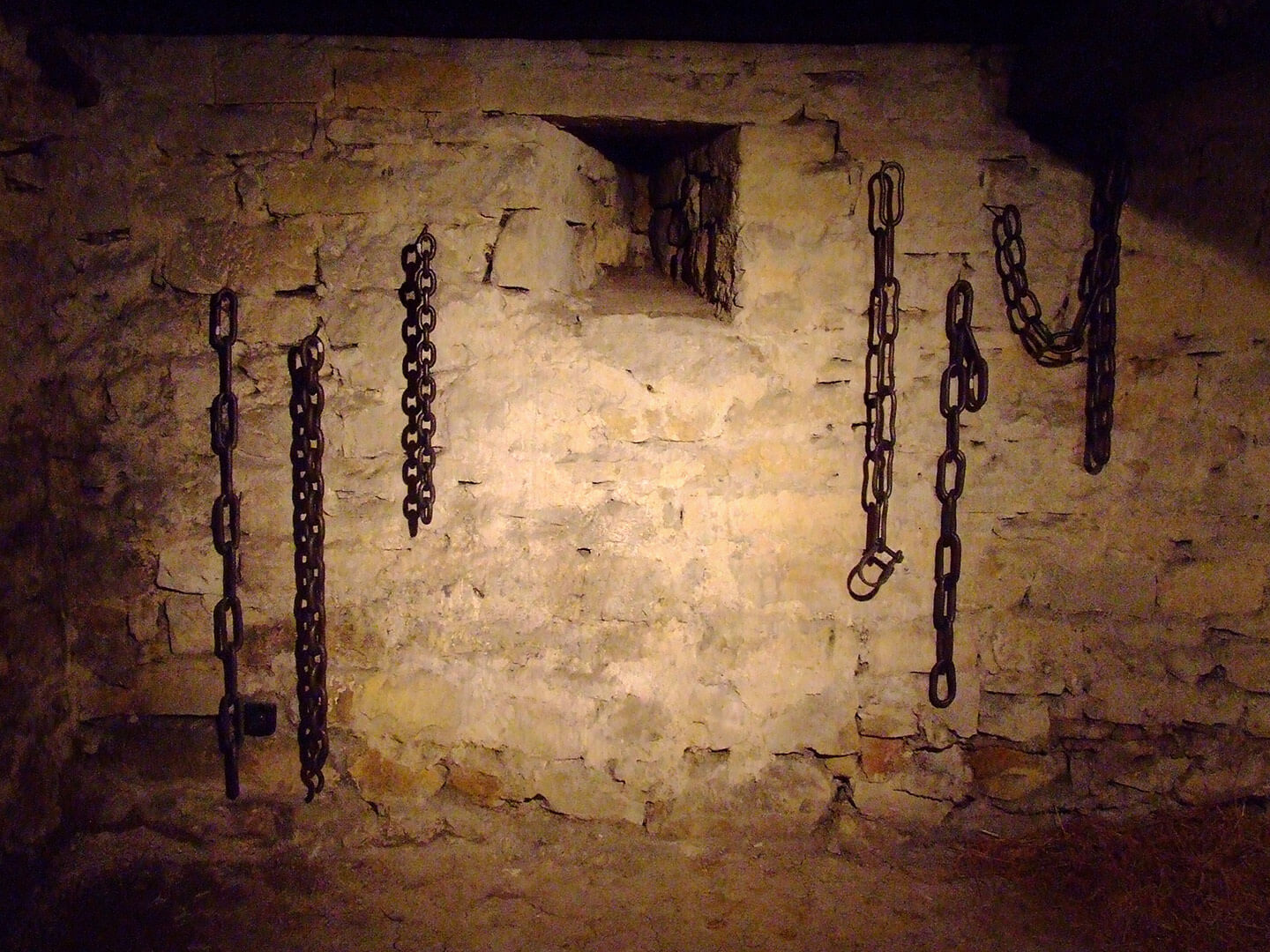
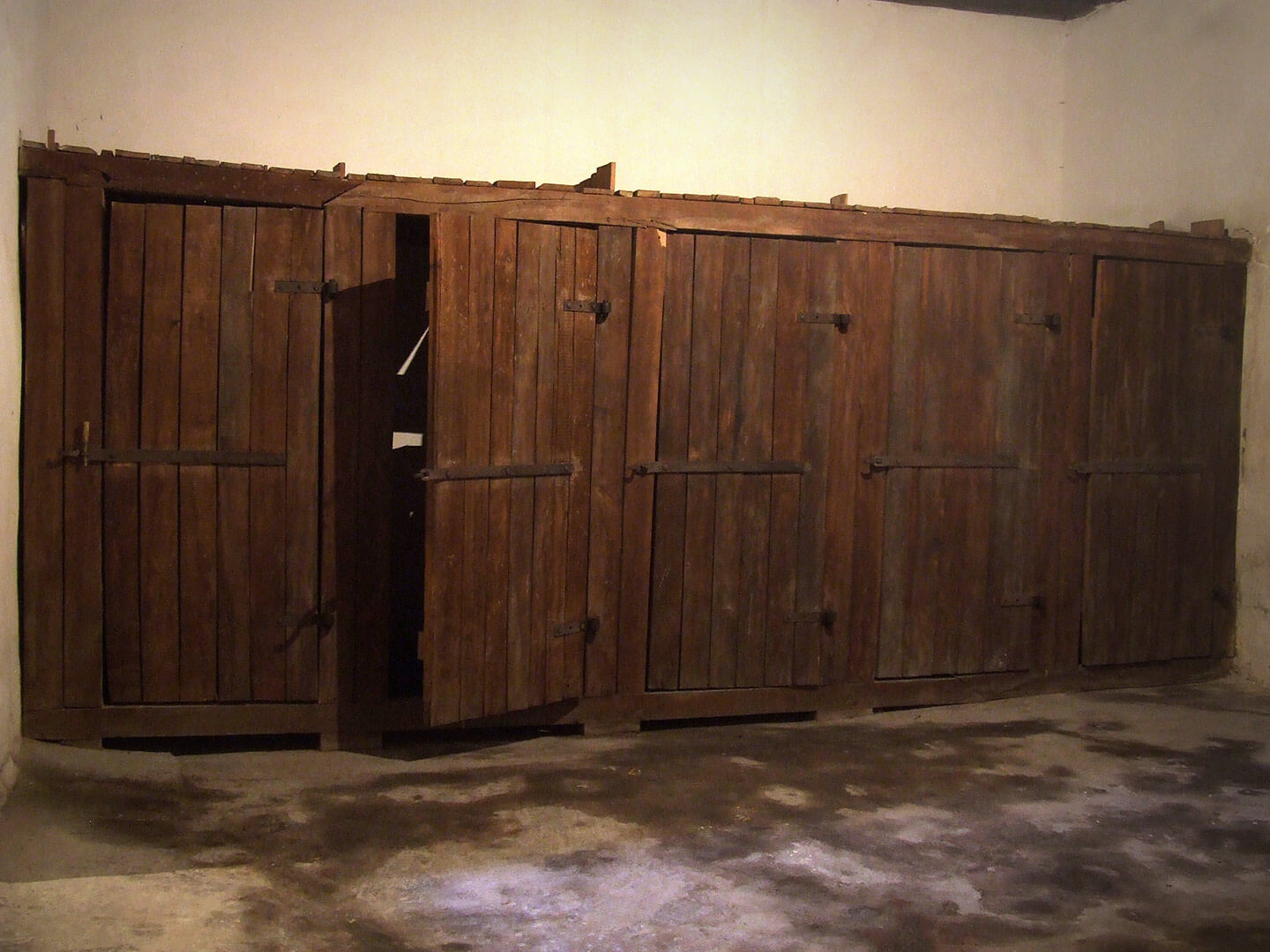
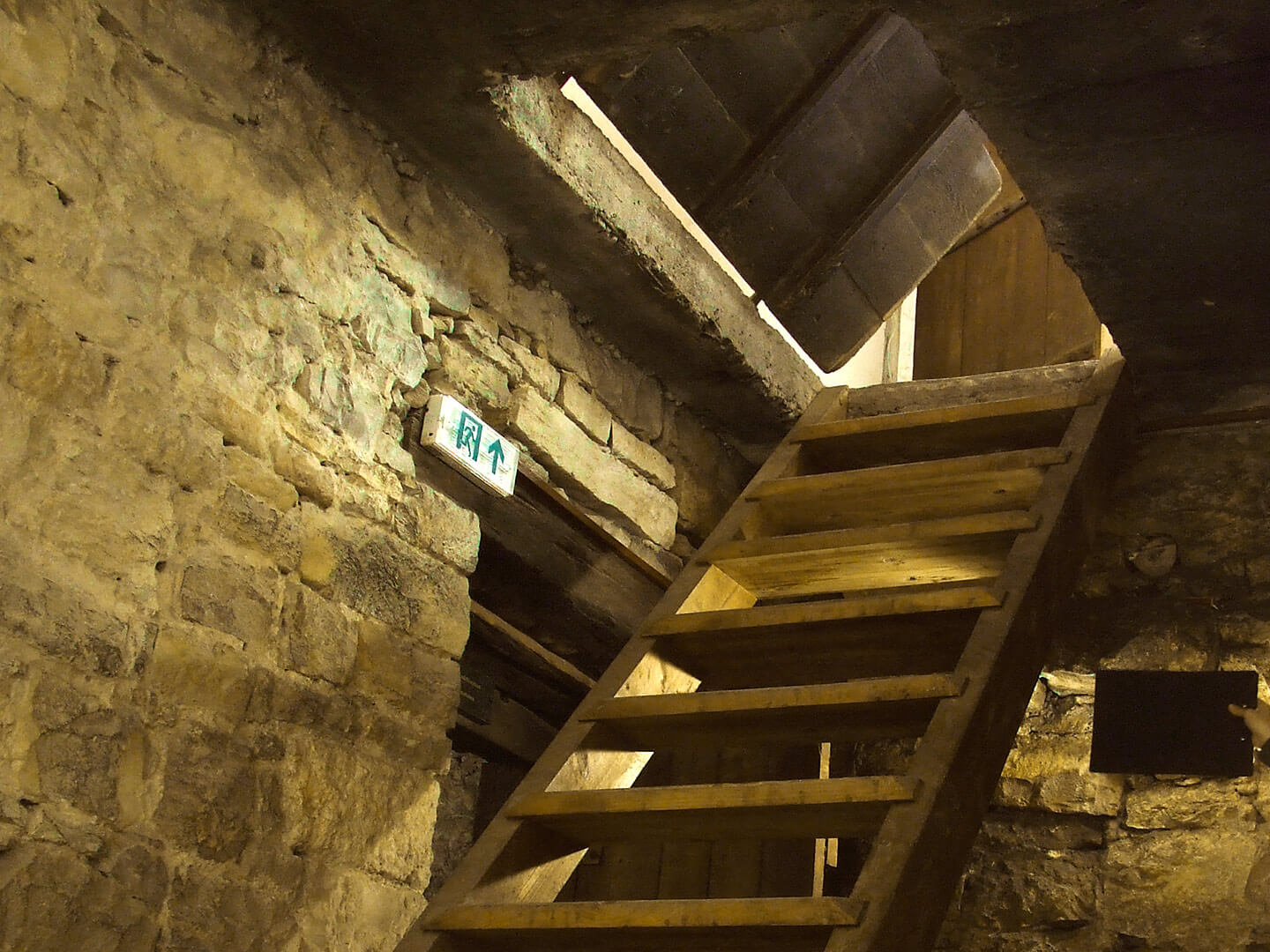
The prison-museum is located south of the konak built in 1872 by master Kolyu Ficheto, which now houses the “Renaissance and Constituent Assembly” exhibition. Construction of the prison began around the middle of the 19th century. In 1854, it was already used for its intended purpose. The building is built entirely of stone, with walls 0.70–0.90 m thick. The building has one ground floor and two upper floors. To the north and west of it are two inner courtyards, surrounded by high walls and auxiliary buildings. One was used for the fetters of the prisoners, and the other was intended for walks. During the years of Ottoman rule, all three floors of the building were used. After the Liberation of Bulgaria, new premises were added, and the prison functioned as a temporary prison until 1954. The exhibition is spread over the ground floor and the first floor. A reconstruction of the interior of three of the cells and the solitary confinement cell, which functioned during the national liberation struggles, has been made. The torture room presents the devices used to carry out inquisitions, as well as a description of the most frequently applied tortures. In the corridor on the first floor, the names of 399 activists who were imprisoned in the Tarnovo prison are written on a board. On a separate photo board are the portraits of the most significant personalities imprisoned here – Filip Totyu, Stefan Karadzha, Vasil Levski, Todor Kableshkov, Bacho Kiro, Georgi Izmirliev, Todor Kirkov, etc.